Private Gallbladder Removal in Hampshire (Laparoscopic Cholecystectomy)
Living with gallstones dictates your daily life. It doesn't have to.
The Reality of Biliary Pain If you are suffering from symptomatic gallstones, you already know the physical reality. You know the sudden, crushing band of pressure under your ribs. You know the nights spent pacing the floor, wondering if the attack will pass or if you need to seek emergency care.
But what is rarely discussed is the psychological toll.
Many patients develop a profound "Fear of Food." Every meal feels like a risk. Socialising at restaurants or planning holidays becomes a source of anxiety, as you scan the menu for the "safest" option—constantly worried that a hidden ingredient might trigger hours of severe pain. Your diet, your travel, and your peace of mind are suddenly restricted by a malfunctioning gallbladder.
The Incidence: Gallstones are remarkably common, affecting approximately 10–15% of the adult population in the UK. However, only some people will develop symptoms requiring surgical intervention.
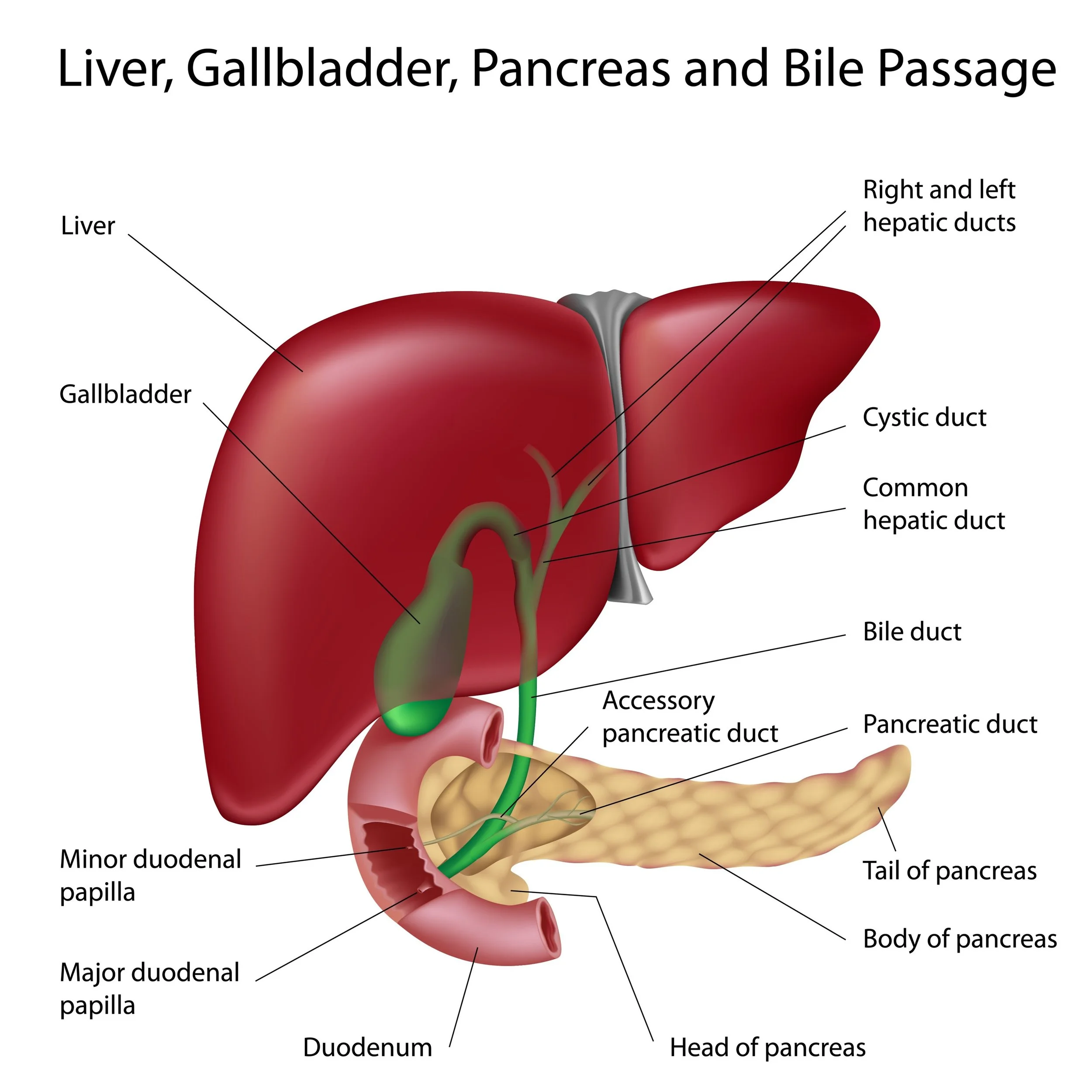
Why do gallstones form?

Rapid Weight Loss & Modern Medication:
While genetics and age play a significant role, gallstones are fundamentally a metabolic issue. They are more common in women, particularly after pregnancy, due to hormonal changes that affect bile composition.
Recently, we have seen a rise in gallstone formation linked to rapid weight loss. When the body sheds fat quickly, the liver secretes extra cholesterol into the bile, which can precipitate into stones.
Are you using Mounjaro or Ozempic? This is particularly relevant for patients using GLP-1 receptor agonists. While effective for weight loss, they can reduce gallbladder motility, leading to stones. If you are on a weight loss pathway and develop abdominal pain, it is crucial to rule out biliary disease.
Symptoms of gallstone disease
-
This is the most common symptom of gallstones. It occurs when a stone temporarily blocks the exit of the gallbladder, usually after eating a meal containing fat or dairy. You will feel an intense, gripping pain in the upper right side of your stomach that often radiates through to your back or right shoulder. The pain usually builds up quickly, lasts for a few hours, and then fades, leaving you feeling bruised and exhausted. Because the pain comes and goes, many patients suffer through multiple attacks before seeking surgery.
-
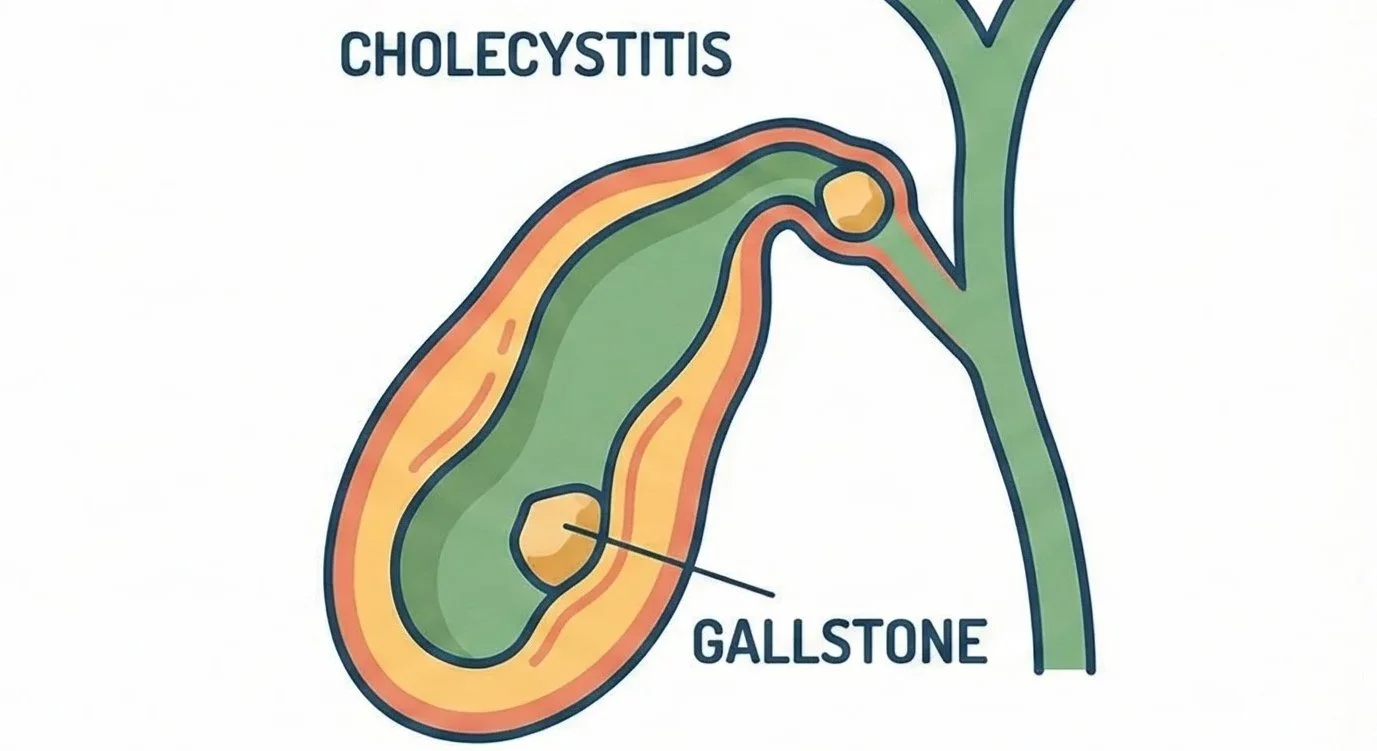
If a stone gets permanently wedged in the neck of the gallbladder, the organ becomes inflamed and infected. Unlike Biliary Colic, the severe pain does not go away after a few hours. It is constant and is often accompanied by a high temperature, shivering, and a rapid heartbeat. This is a surgical emergency. In my NHS practice, I regularly lead the emergency lists treating these exact "hot" gallbladders. If you are experiencing these symptoms right now, you should seek urgent medical assessment.
-
In about 10–15% of cases, small gallstones escape the gallbladder and travel down into the main Common Bile Duct. If they get stuck there, they can block the flow of bile from your liver (causing your skin and eyes to turn yellow—Jaundice) or block the pancreas (causing severe, life-threatening inflammation—Pancreatitis).
Taking Back Control: Laparoscopic Cholecystectomy
Gallstone disease is unpredictable, but your treatment shouldn't be. The gold-standard treatment is a Laparoscopic Cholecystectomy—the complete removal of the gallbladder using minimally invasive keyhole surgery. The stones are not solely removed, as the gallbladder itself is the source of the problem and stones would likely recur.
Why Choose a Biliary Specialist?
While gallbladder removal is a common procedure, it is not without risk. The anatomy of the bile ducts can vary significantly between patients, and inflammation (cholecystitis) can make the surgery technically challenging.
NHS Consultant Experience: Mr. Rahman holds a substantive Consultant post in a major NHS teaching hospital. He regularly leads "Emergency Gallbladder" lists, operating on patients with acute, severe inflammation ("Hot Gallbladders").
High-Volume Safety: Because he routinely handles the most difficult emergency cases, his skill level for "routine" elective gallbladders is exceptionally high. This experience is critical in preventing serious complications like bile duct injuries.
Trainer & Educator: As a PhD-level surgeon involved in Surgical Data Science, Mr. Rahman is at the forefront of monitoring surgical outcomes and safety standards.
Safe surgery is about precise decision-making, not just cutting. My experience ensures I am fully equipped to handle unexpected anatomical difficulties safely, preventing serious complications.
The "One-Stop" Solution: Common Bile Duct Clearance (CBDE)
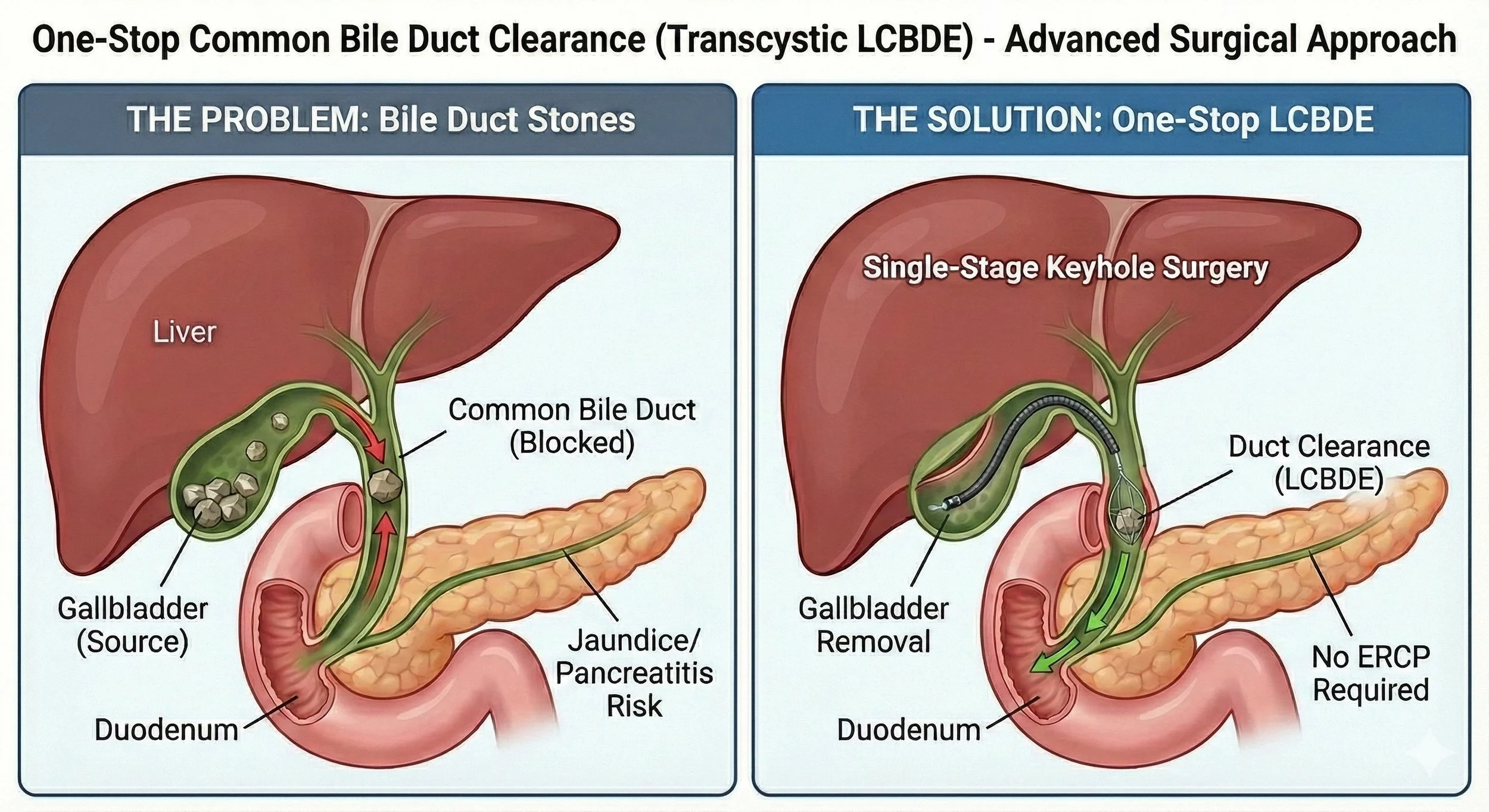
In 10-15% of patients, gallstones escape the gallbladder and get stuck in the Common Bile Duct (the main pipe to the gut). This may cause jaundice and pancreatitis.
The Standard Route: Most patients undergo an endoscopy procedure (ERCP) to clear the duct, followed by surgery weeks later. That means two procedures, two anaesthetics, and two recoveries.
Using an advanced 3mm endoscope (Choledochoscope), Mr. Rahman may be able to explore the main duct and remove these complex stones at the same time as removing your gallbladder.
One Operation: We fix the gallbladder and the duct stones in a single sitting.
No ERCP: Avoids the risks of endoscopic procedures.
Data-Driven: Proven to reduce total hospital stay and recovery time.
Is Surgery the right choice for you?
Surgery is the gold standard for symptomatic gallstones, but your specific risk profile is unique. Using data from thousands of similar cases, I can help you visualise your likelihood of remaining symptom-free with or without surgery. Our surgical success tool can help you to plan for your surgery and recovery and maximise the chances having a perfect outcome.
Plan Your Recovery
Most of my patients go home the exact same day and are back to light activities within two weeks. Use the planner below to map out your specific recovery timeline, from the day of surgery to driving and returning to work. I also provide a personalised recovery plan based on your personal characteristics, available at the link.
-
Status: usually a Day Case (sometimes 1 night).
Sensation: You may feel a sharp pain in your right shoulder tip. This is referred pain from the gas irritating your diaphragm, not a shoulder injury. It fades in 24–48 hours.
-
Status: taking it slow.
Diet: Stick to a light, low-fat diet (toast, soup, rice). Your liver is learning to drip bile directly into the intestine without a storage tank.
Action: Walk often to help your body reabsorb the gas. Peppermint tea can help with bloating.
-
Milestone: Driving. Once you can wear a seatbelt and perform an emergency stop comfortably.
Diet: Start reintroducing normal foods. Test your tolerance for fatty foods (cheese, eggs) gradually.
-
Status: Desk workers return.
Energy: You might still feel more tired than usual in the evenings. This "post-op fatigue" is common.
-
Status: Normal diet and exercise.
Note: If you experience loose stools (urgency) after fatty meals, this usually settles on its own.